AnthoCulture
Japanese Mugwort - Artemisia princeps - Yomogi よもぎ
Japanese Mugwort - Artemisia princeps - Yomogi よもぎ
Couldn't load pickup availability
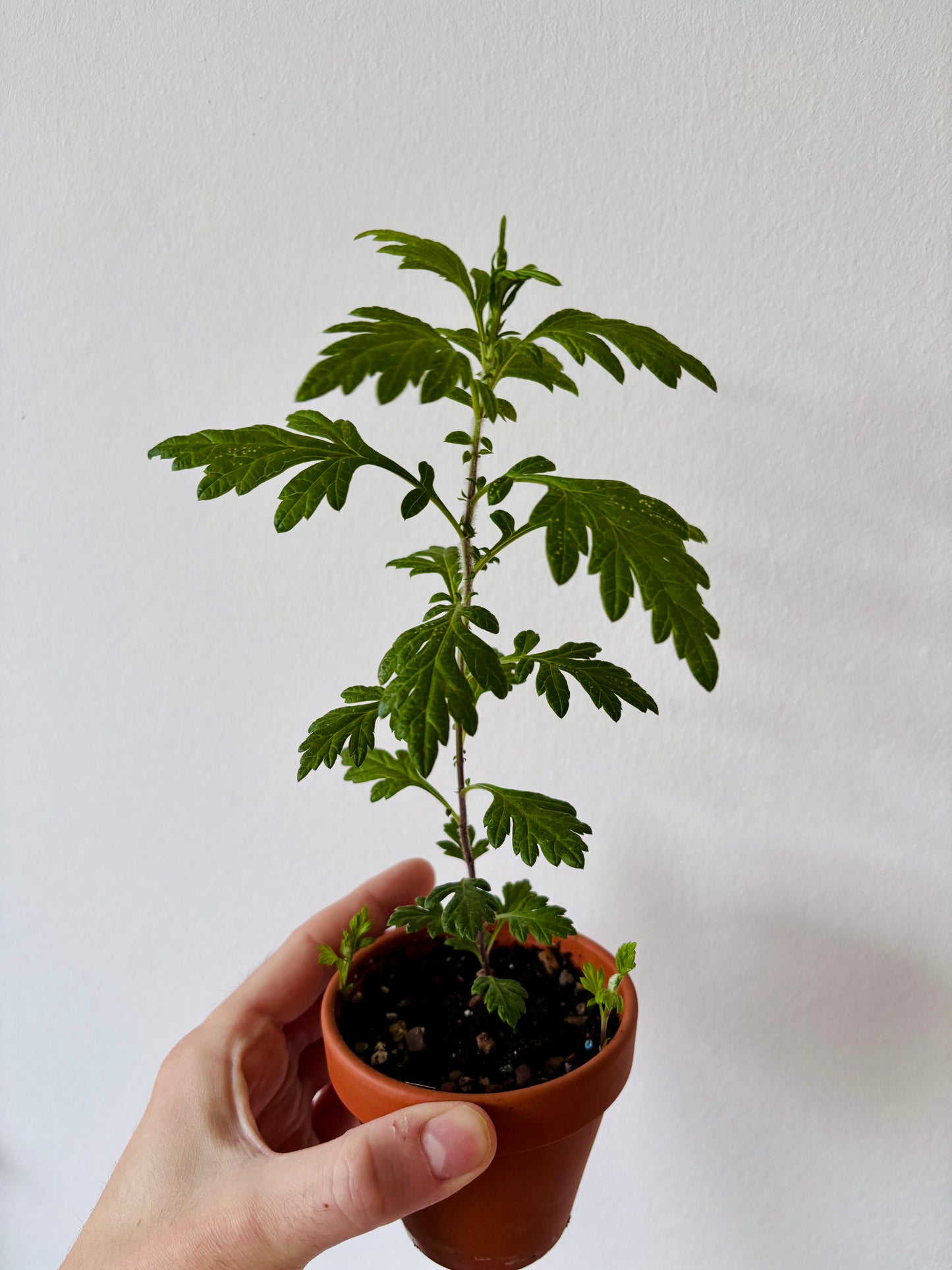
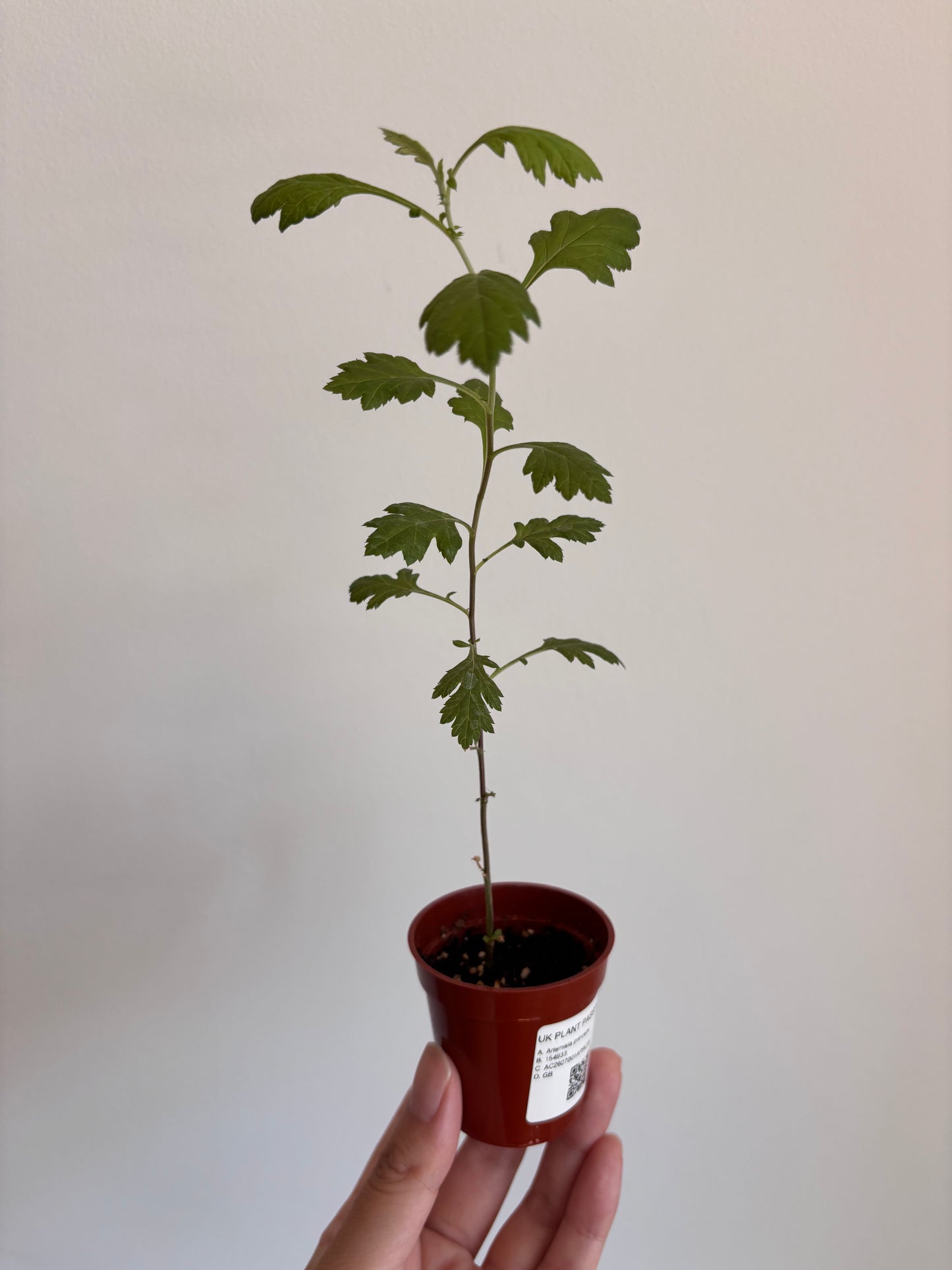
Japanese Mugwort, known in Japan as Yomogi よもぎ, is a unique culinary herb grown for its aromatic silver-green foliage, strong cultural history, and distinctive use in East Asian cuisine.
In Japan, Yomogi is traditionally used to flavour Mochi, herbal sweets, rice cakes, dumplings, teas, and seasonal dishes. It's used extensively throughout Okinawa and is commonly available in supermarkets to garnish soba and noodle soup dishes or fried in tempura batter. The leaves have a complex green, herbal, slightly bitter aroma that makes this a fascinating plant for those interested in bringing a new dimension to your dishes. It can also be enjoyed simply as a tea.
Artemisia princeps is a hardy, fast-growing perennial that can be grown outdoors in the UK in a suitable position, or kept in a pot indoors in a sunny position for a cut herb. Its attractive deeply cut foliage makes it useful as both a culinary herb and an ornamental foliage plant.
I sourced the original seeds for this plant myself from a Yomogi farmer in Japan - I became aware of how difficult it was to obtain this plant fresh in the UK - I hope it brings you interest and joy!
Growing Information
Light: Full sun to partial shade.
Water: Water regularly while establishing, then keep lightly moist but not waterlogged.
Soil: Grows well in free-draining soil, including loam-based mixes.
Temperature: Hardy perennial once established, but young plants should be protected from severe cold while settling in.
Indoor growing: Can be grown in a bright pot indoors, though it is naturally better suited to outdoor or greenhouse growing.
Outdoor growing: Suitable for growing outside in the UK in a sheltered position. Can become vigorous, so container growing is recommended if you want to keep it controlled.
Please Note
As with all edible and aromatic herbs, only consume if you are confident it is suitable for you. Avoid use during pregnancy, and avoid if you have known sensitivity to plants in the daisy family, Asteraceae.
Sold as a live plant for culinary, ornamental, botanical, and educational interest.
Share